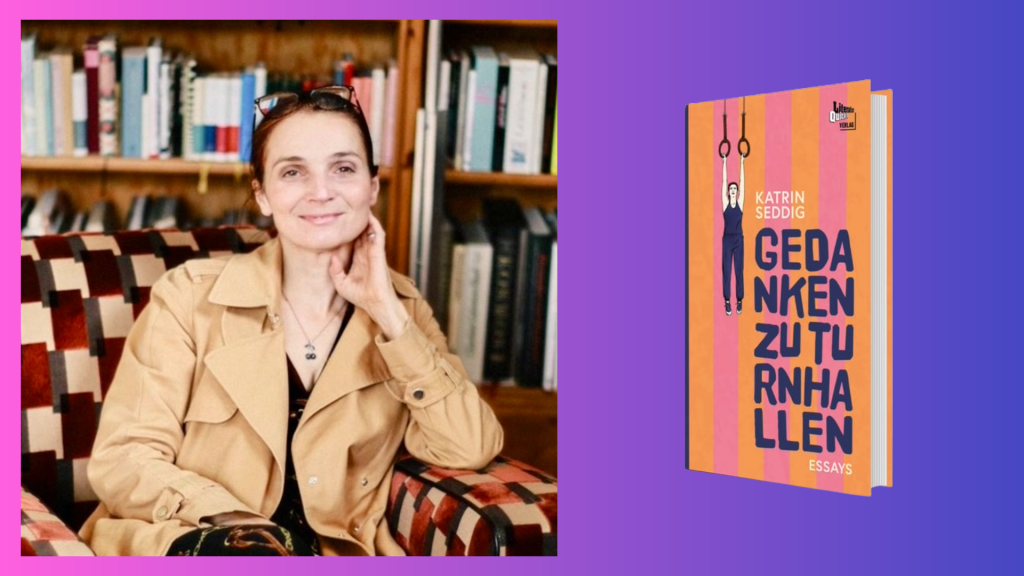
Katrin Seddig, born in Strausberg, studied philosophy in Hamburg, where she still lives today with her family. The taz described “Runterkommen” (2010) as: “A brilliant debut … Moving, funny and down-to-earth.” Der Tagesspiegel commented on “Eheroman” (2012): “It’s magnificent how Katrin Seddig gives each of her characters their own distinct voice.” Her most recent works are “Das Dorf” (2017) and the novel “Sicherheitszone” (2020), for which Seddig was awarded the Hamburg Literature Prize and the Hubert Fichte Prize.
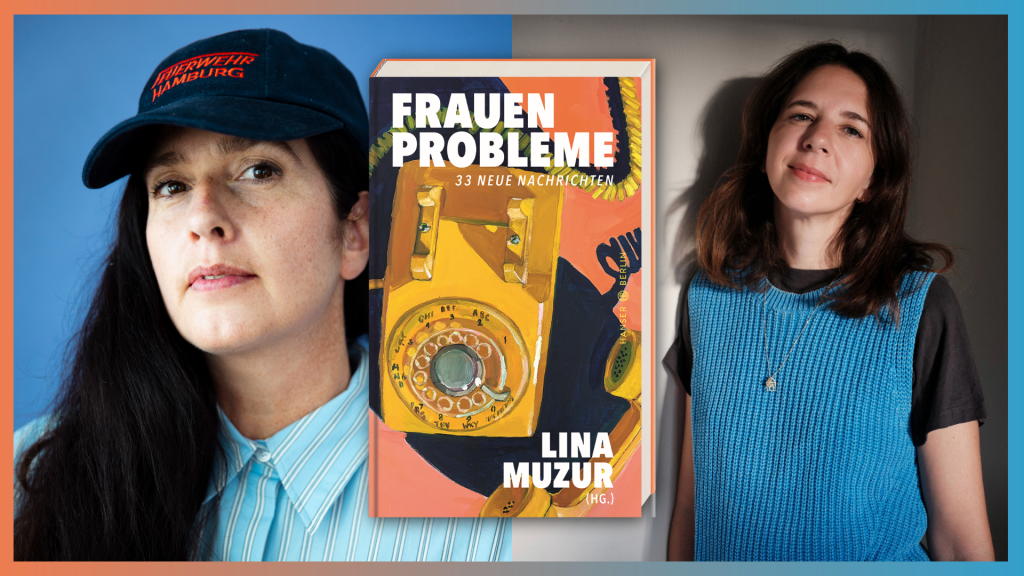
Lina Muzur, born in 1980 in Sarajevo (Bosnia and Herzegovina), has been publishing director at Hanser Berlin since 2019 and was a member of the 10nach8 editorial collective at Zeit Online from 2016 to 2025, where she also wrote columns. Among other works, she edited “Sagte sie. 17 Erzählungen über Sex und Macht” (2018).
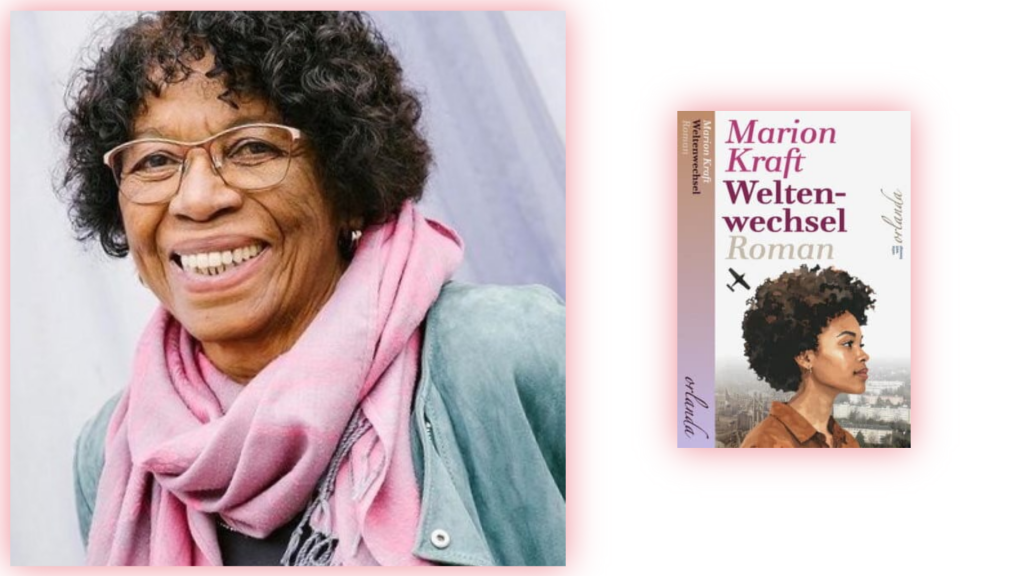
Marion Kraft, born in Gelsenkirchen in 1946, is an Afro-German literary scholar, author, lecturer and translator. Her publications focus on racism, literature by Black female authors, feminism and the Black movement in Germany. After studying to become a teacher, she obtained a PhD in literary studies and worked for over three decades as a teacher and lecturer in Germany and the USA. Kraft has published four books on African-American literature, Afro-German history and literature, feminism and anti-racism, including a work in 2018 about her encounters with Audre Lorde. As a translator, she has worked on works by Buchi Emecheta, Amanda Gorman, Audre Lorde, bell hooks and Toni Morrison, amongst others. She is a well-known expert and frequent guest in the German media. “Weltenwechsel” is her first novel.
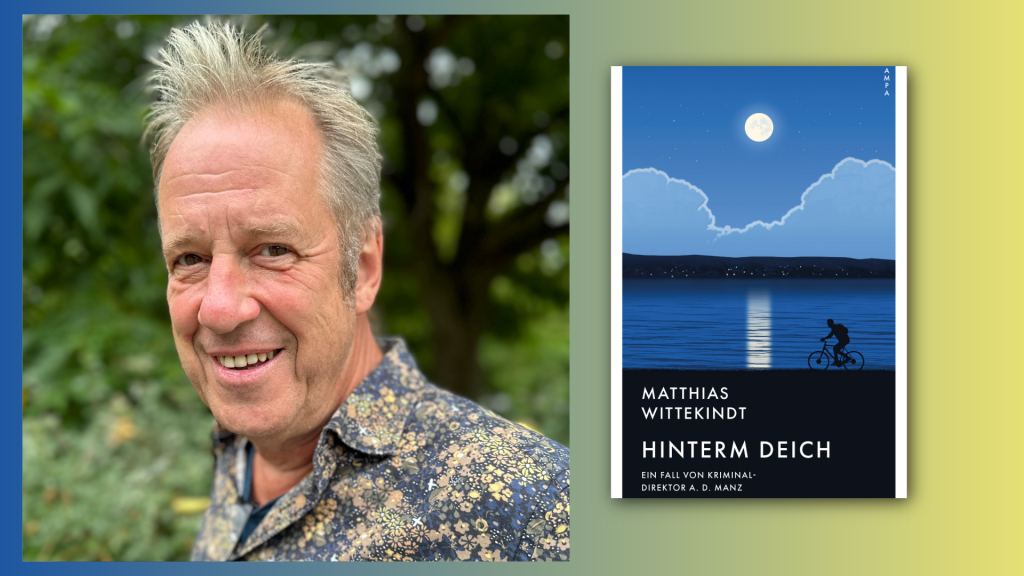
Matthias Wittekindt, born in Bonn in 1958, often loses track of everything around him when he is writing. This happens just as often in his flat in Berlin as it does in his garden in Schmöckwitz on Lake Zeuthen, where he enjoys working in the summer. Matthias Wittekindt grew up in Hamburg. After studying architecture and the philosophy of religion in Berlin and London, he worked as an architect, director and playwright and radio playwright, amongst other things. Since 2011, he has focused entirely on his highly acclaimed crime novels. “Vor Gericht” (In Court), the first case for retired Detective Superintendent Manz, was shortlisted for the Crime Cologne Award. “Vor Gericht, Die Schülerin” and “Die rote Jawa” were selected for Deutschlandfunk Kultur’s crime fiction best-of list, with “Die rote Jawa” reaching number 1. Three of Matthias Wittekindt’s novels have made it into the top three of the German Crime Fiction Prize, most recently “Hinterm Deich”, which took second place in 2024.
Nora Haddada, geboren 1998 in Neunkirchen (Saar), studierte Kreatives Schreiben und Literaturwissenschaft in Hildesheim, Berlin und Paris. Ihr Debütroman „Nichts in den Pflanzen“ erschien 2023 bei ecco. Sie lebt in Berlin und Paris.

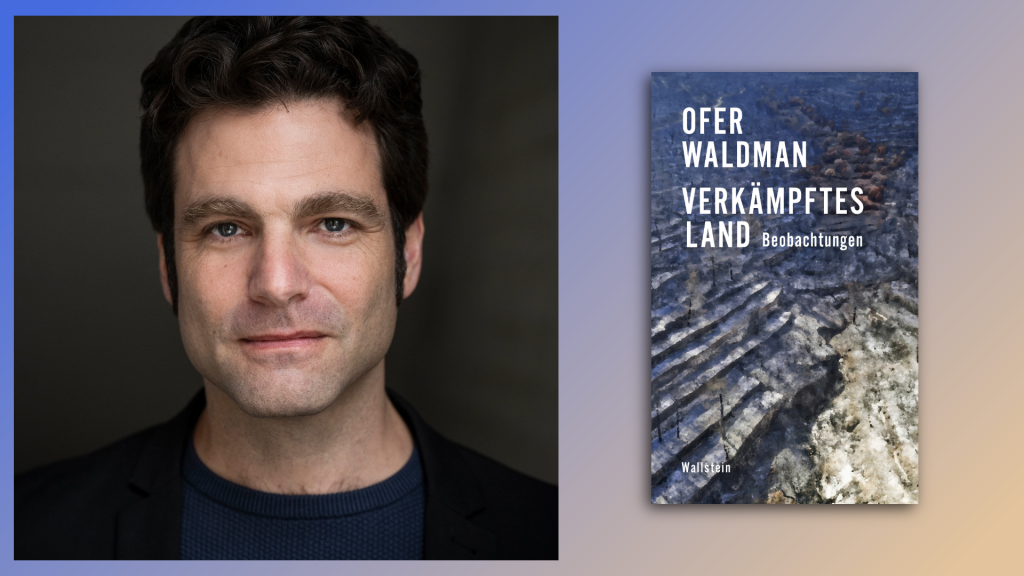
Ofer Waldman was born in Jerusalem in 1979. As one of the first musicians in the West-Eastern Divan Orchestra, he moved to Berlin in 1999. He has performed with, amongst others, the Berlin Radio Symphony Orchestra, the Nuremberg Philharmonic, the New Israeli Opera and the Israel Philharmonic Orchestra. Ofer Waldman later obtained his PhD in History from the Hebrew University of Jerusalem and in German Studies from the Free University of Berlin. Active in civil society, he heads the Heinrich Böll Foundation’s office in Tel Aviv. His published works include “Singularkollektiv. Erzählungen" (Wallstein Verlag, 2023) and “Gleichzeit. Briefe zwischen Israel & Europa“ (Suhrkamp Verlag, 2024, co-authored with Sasha Marianna Salzmann). He is the author of several radio features and radio plays. In 2021, he was awarded the ARD German Radio Play Prize.
Ozan Zakariya Keskinkılıç, born in 1989, studied political science in Vienna, Berlin and Cambridge. His debut poetry collection, “Prinzenbad”, was published by Elif Verlag in 2022, followed in 2023 by the non-fiction book “Muslimaniac. Die Karriere eines Feindbildes” (published by Verbrecher Verlag). His writings have appeared in magazines and anthologies (including “anders bleiben” (Rowohlt, 2023)) and have been translated into several languages. In 2025, he was awarded, amongst others, the ZDF “aspekte” Literature Prize and the Wolfgang Weyrauch Encouragement Prize. “Hundesohn” is his first novel. Translated with DeepL.com (free version)
Patricia Paweletz was born in Hamburg. Inspired by her work as a systemic family therapist, she writes non-fiction books on transgenerational topics and biographies. Her novels *Meerjungfrauengesang* (2021) and *Herzbruch* (2023) have been published by PalmArtPress Berlin, as has the English edition, *Tracking the Past in the Present* (2024).
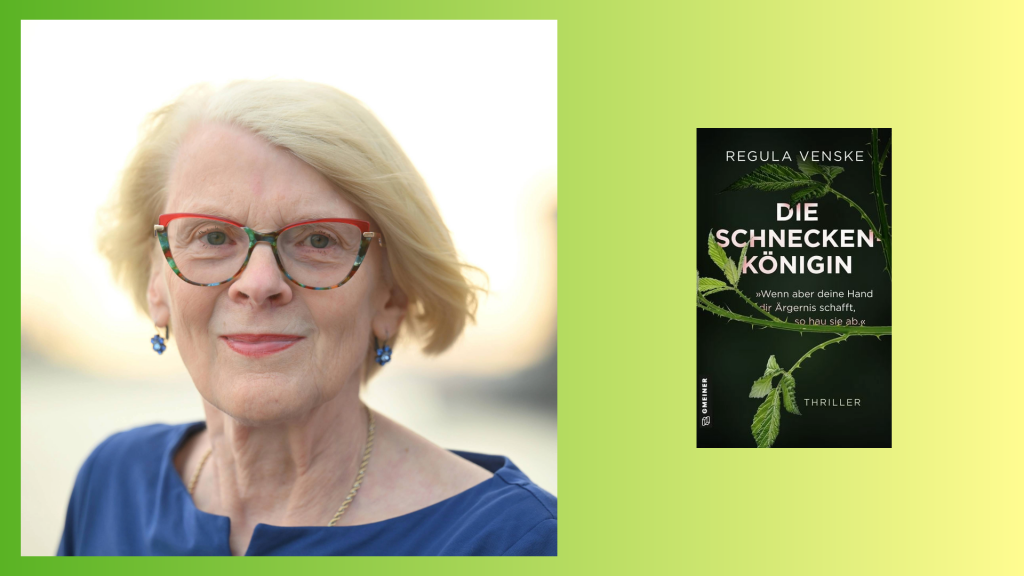
Regula Venske, Dr. phil., lives in Hamburg as a freelance writer. For her body of work, which includes novels, novellas, short stories, essays, a handful of wanton poems and countless contributions to radio and print media, she has been awarded, amongst other honours, the Oldenburg Children’s and Young People’s Book Prize, the German Crime Fiction Prize and the Lessing Scholarship from the Hamburg Senate, and was nominated for the City of Wiesbaden Women’s Crime Fiction Prize. The author, once referred to by the Süddeutsche Zeitung as a “lust murderer”, is known for tackling serious subjects with elegance, lightness and black humour.